Writing
Notes on public finance.
How public finance banks and issuers work.
 The pay-to-play check before you draft an RFP
One contribution to an issuer official can bar a firm from that issuer's business for two years. The lookback a public finance group runs before it drafts.
 What an underwriter's discount actually pays for
The underwriter's discount is the difference between two prices: what the issuer receives and what investors pay. Four costs sit inside it; one can be priced.
 Where AI data lives at a public finance bank
Single tenant, on premises or a dedicated cloud: where a bank's data sits when an agent runs, and the questions a security review asks before it does.
 Where municipal bond RFPs actually get posted
An underwriter RFP is not a procurement, so it will not always reach the portals a bank watches. How issuers spread the word, and what to scan instead.
 Why a public finance mandate book goes stale
A mandate book typed by hand trails the work. Why public finance updates go stale, what current should mean, and what to ask about a book that keeps itself.
 Why a municipal bond sale takes three firms
A negotiated municipal bond sale takes three firms: advisor, underwriter and bond counsel. Rule G-23 keeps the first two apart, and GFOA writes it down.
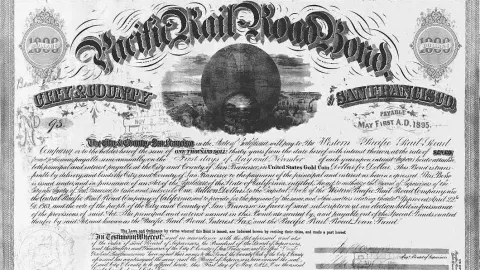 Why an RFP checklist line is several asks
One numbered line in a public finance RFP response can ask for a narrative, a document, a form and a signature. Why a line count understates the work.
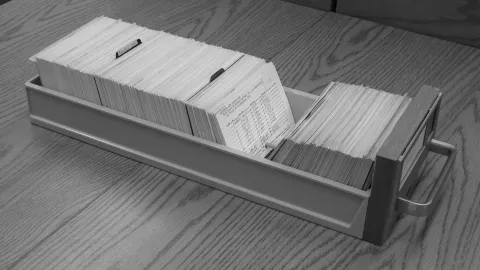 Why an RFP completeness score should fall
A completeness score that can only rise is measuring the software, not the response. What a confidence flag means on a public finance RFP checklist.