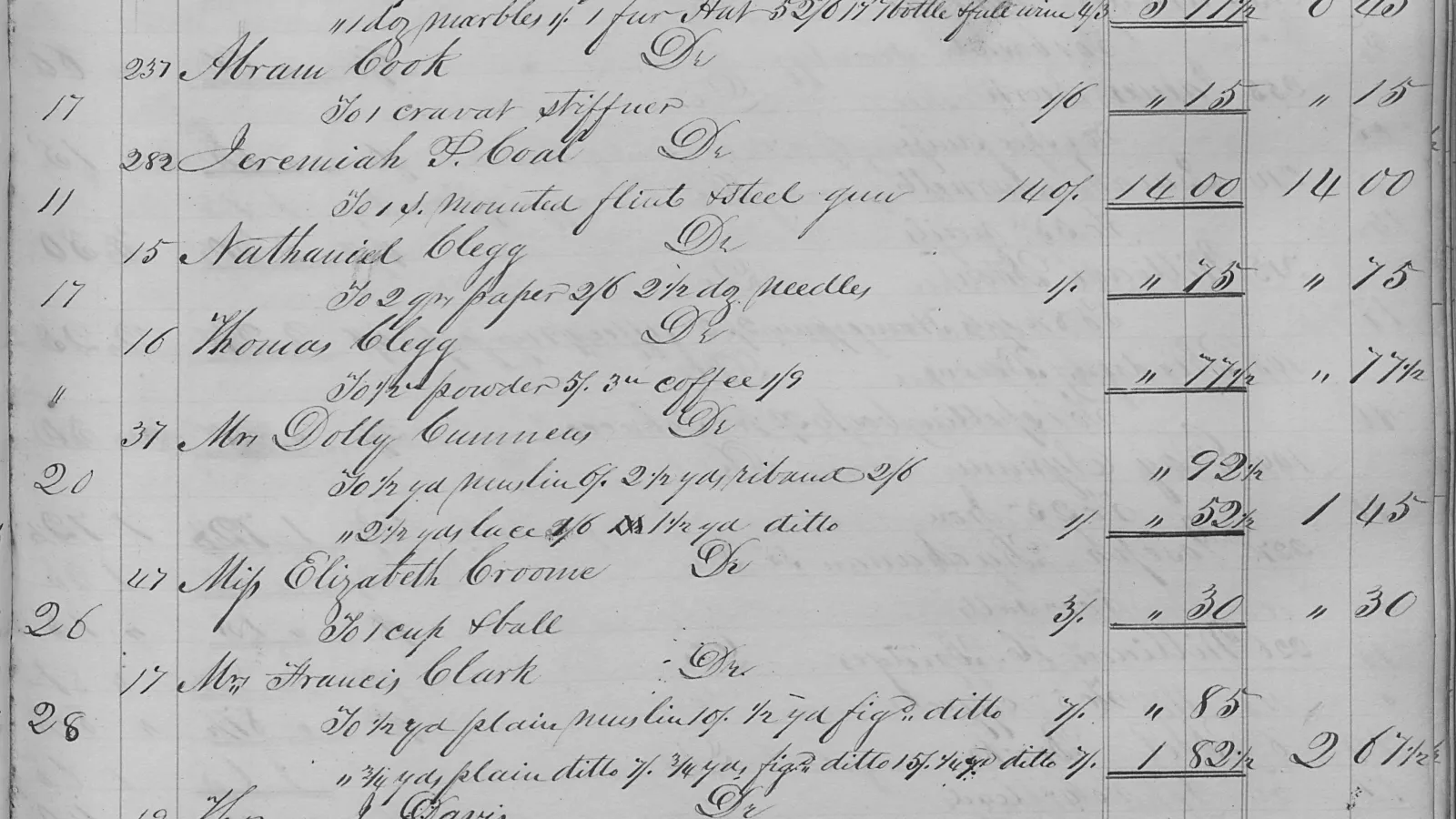
A mandate book is current only if a change lands in it while the mandate is still moving. Where the stage, the workstreams and the next actions are typed in by hand, the book trails the work. The fix is not more discipline. It is reading the change from the mandate's own record and proposing it for approval.
What does a public finance mandate book actually hold?
The book is the group's answer to "where does everything stand." It holds every live mandate with its stage on the group's own ladder: award, structuring, documents, ratings, pricing, closing. It holds the workstream running under each stage, what changed this week, and the mandate that has gone quiet. For a group running several financings and a few pitches at once, it is not a report. It is the state of the practice.
It is worth separating the book from the activity record it is easily confused with. An activity record, the kind a CRM keeps, holds what was said and when: emails, meetings, notes, names. A book holds state: where each mandate stands and what happens next. Both are useful, and they are not the same object. Nothing in a log of meetings says the mandate is at documents. That is a judgment about the evidence, and judgments do not write themselves down. For the issuer relationships behind a book, Starch's Issuer Intelligence keeps each contact and meeting alongside the firm's own tools.
A public finance book also holds things a generic deal book does not. Co-managers and their allocations. The rating path and the agencies involved. The DBC run and the figures it produced. The issuer's own approval calendar, which can move a pricing date without anyone in the working group changing a document. Each is a piece of state that lives somewhere different, which is why the book is hard to keep.
Why does the mandate book go stale?
Because the state changes in the work, and the book is somewhere else. An award letter arrives. A rating is published. A document is filed with the depository. A co-manager sends a revised allocation. Each of those moves the mandate, and none of them moves the book, unless someone does the moving by hand.
That is the whole mechanism, and it explains why the problem does not yield to effort. A hand-kept book is only as current as its last update, and updating is a re-keying job done a second and third time: the per-mandate sheet, the group's standing spreadsheet, the CRM, the client update. Where the deal team is executing, the re-keying is the first thing dropped when the day runs short, and dropping it is a rational choice, not a discipline problem.
This is not an argument about tools, either. A group can own the best system in the market and still be behind, because the constraint sits above the tool: whether the change gets from the mandate into the record without a person retyping it after the fact. Rogo's summer 2026 survey of twelve investment banks found the firms pulling ahead on AI were the ones connecting their tools to first-party data: Outlook, CRMs and shared drives. It also found 64% naming internal change management as the biggest unsolved issue. That is the same test for a book. Its state has to come from where the mandate already lives, not from one more place a banker has to feed.
What does current mean for a mandate stage?
Current means four things together, and each one is worth checking against the book your group keeps today.
- The stage, on the group's own ladder, not a generic funnel.
- What changed this week, with the line or message each change came from.
- The next action, with an owner.
- The mandate that has gone quiet, surfaced before someone asks about it.
The stage is the hard one, because it is a judgment, not a timestamp. A book that says "documents" while the rating has been published and the official statement is in circulation is the kind of drift this post is about: the mandate moved, the book did not, and nothing in the book looks wrong until the moment it costs someone a pricing conversation. A stage will always need a person's judgment behind it. The question is whether the judgment is read from evidence the group already produced, or reconstructed from memory when the update finally happens.
The co-managed mandate makes the same point harder. Two firms can hold different versions of the allocation and both believe they are current. A book that reads the allocation from the documents and the correspondence, rather than from a row someone typed after a call, at least gives the two firms a shared record to disagree about.
How should a change land?
As a proposal, not a write. The reading should come from the mandate's own record: the award letter, the DBC run, the inbox, the meetings, the deal systems. Every change it produces should arrive as a proposal with the line it came from. A banker approves it, and the change should land in Excel and the CRM together, written back and checked. Where the reading is ambiguous, it should be flagged for a person rather than recorded, and nothing should write silently.
That is the shape any version of this should have at a public finance bank.
Two properties matter more than the mechanism. The first is that the group's own tools stay. Excel is not an export; it is where the group works, and the CRM is the firm's record. A book that requires the team to move into a second system has added a re-keying job rather than removing one. The second is that a person is always the last step. An update that lands without an approval is a guess with a timestamp.
What should you ask about a book that keeps itself?
Three questions, worth putting to any tool.
Where does the state come from? If the answer is "the team types it in," the book inherits every busy week the team has. If the answer is the mandate's own record, ask what happens when the record is thin: does the book wait for a person, or does it fill the gap?
Can you see where a change came from? Every proposed change should carry the line it was read from, whether that is a page, a message or a document. A book you cannot audit is a book you re-verify by hand, which puts the re-keying job back where it started.
Who approves a write, and what happens when the reading is unsure? One approval from a banker is the answer to look for. A system that always asserts a stage is a system that will eventually be confidently wrong; the correct behaviour is a flag to a person and a write that waits.
A hand-maintained book is not a bad book. It is a book with a keeper, and the honest question is who the keeper is. If the answer is the deal team, the book competes with the mandate for every hour, and the mandate wins. The point of reading the state from the record is not to remove the person from the loop. It is to make the person's one act, approving the change, the only act the book needs.
What else is worth asking?
What makes a mandate book go stale?
The state it holds changes in the work itself: an award letter arrives, a rating is published, a document is filed. If every change has to be typed into the book by hand, the book is only as current as its last update, and the mandate keeps moving regardless.
Is a CRM the same as a mandate book?
Not quite. A CRM logs activity: emails, meetings, contacts. A book holds state: the stage, the current workstream and the next action, which are judgments rather than log entries. A CRM can hold a book, if someone is keeping one inside it.
Who should approve a change to the mandate book?
A person. Every change should arrive as a proposal with the line it came from, and it should wait for a banker's approval before it lands in the group's spreadsheet or the CRM.
Does a book that updates itself replace Excel or the CRM?
No. Excel is where the group already works and the CRM is the firm's record, and both stay. The question is whether the same fact gets keyed into three places by hand or should be written back to both from one approved change.