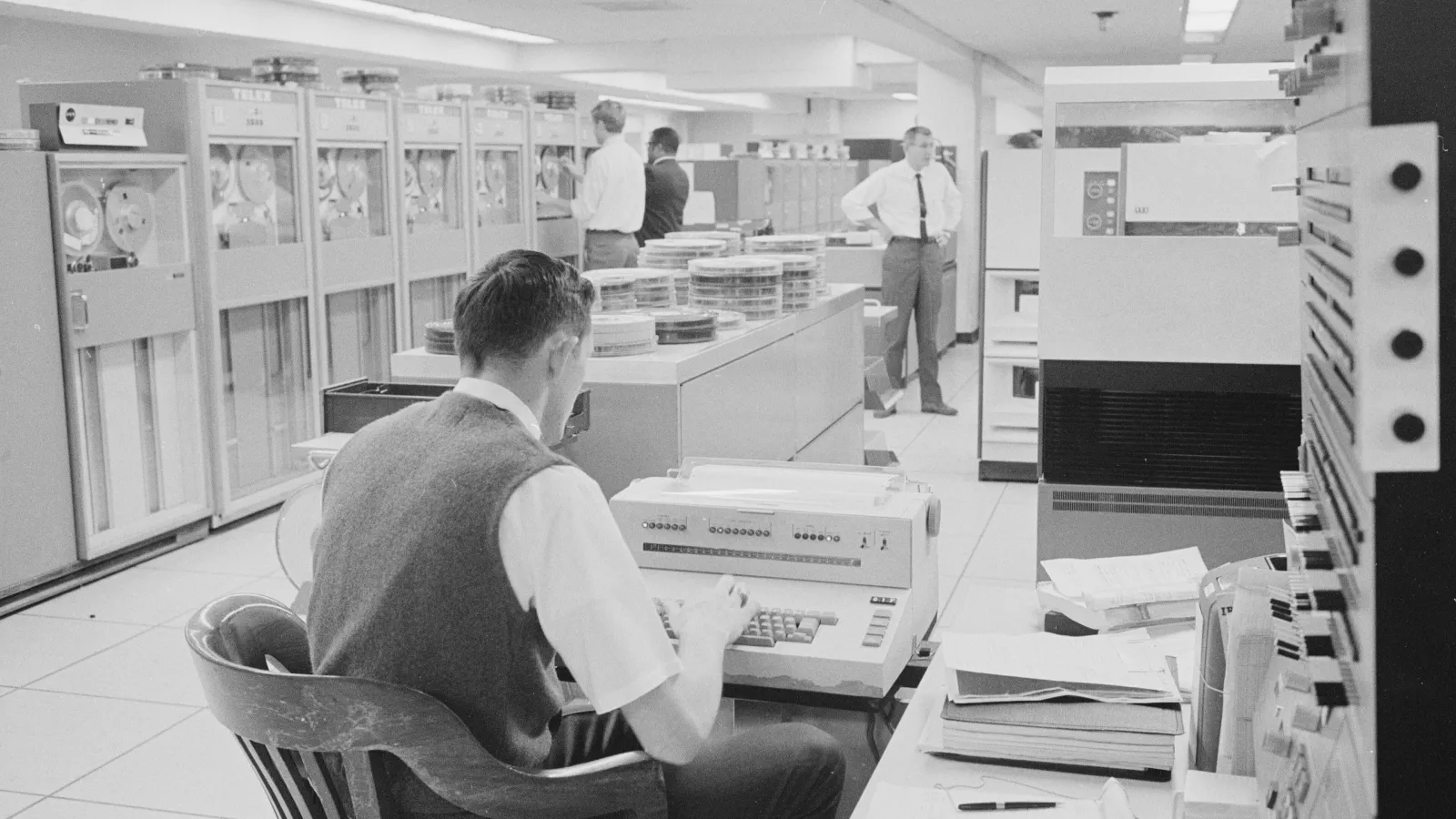
When an agent runs on a public finance desk, the first question is not how smart it is. It is where the data sits. A single tenant deployment, on the firm's premises or in a cloud dedicated to it, answers most of that before the next questions: who can see it, what trains on it, who approves the output.
What does single tenant actually mean?
Single tenant means the workspace is not a shared service you log into over the internet. It is deployed for one firm, running in an environment that belongs to that firm: its own premises, or a dedicated cloud environment provisioned for it alone. Nothing is pooled with another firm, and firm memory, the precedent, formats and history the workspace draws on, lives inside that tenant rather than in a shared vendor service.
That placement is the point of the architecture, not a hosting preference. On a public finance desk, the material an agent works with is the firm's own record: live engagement letters, issuer correspondence, draft responses, positions the firm has taken. The useful question is not whether an AI tool can read that material. It is where the reading happens, whose environment it happens in, and what remains behind when it is done. The AI workspace is built as the floor under the desk's workflows on that basis, configured and maintained for the firm so the bankers use the result rather than run the machinery.
What happens to the data an agent reads?
The agent reads inside the tenant. The engagement letter, the inbox, the room, the documents: the work stays where the firm's data already is, because the deployment sits in the firm's own environment, on its premises or in a cloud dedicated to it. Nothing is pooled with another firm's data, and nothing trains a model on the firm's content. Those two sentences are the whole of the answer, and they are worth demanding in exactly those terms from any vendor in this category, because a vague answer to either one is a problem no other answer fixes.
Who approves what the agent produces?
A person, before anything is relied on. Work arrives as a draft or a proposal, not as a finished fact: the workspace shows what changed, what ran, what needs judgment and what finished, and the judgment items are surfaced as exactly that. Where a reading is uncertain, it waits for a person instead of being asserted and moved on from. The same rule holds at the end of every workflow the workspace carries: a proposal with the line it came from, one approval, and then the write, with a named reviewer behind anything that leaves the building.
That is a design choice with a cost, and it is worth saying so. A system built to draft for approval is slower than one built to act. On a regulated desk the trade is the right one, because the alternative is a supervisor asking who reviewed a document that no person signed.
What will your supervisors' guidance have you ask?
The questions a reviewer brings to an AI deployment are not new questions. They are the existing standards applied.
The OCC, the Federal Reserve and the FDIC describe the life cycle a bank already runs for its third-party relationships in their interagency guidance on third-party relationships: planning, due diligence and selection, contract negotiation, ongoing monitoring, and termination. Due diligence there is commensurate with the level of risk and complexity of the relationship, so an agent reading deal material draws the fuller set of questions: where the data sits, who can reach it, what the provider can do with it, and how the relationship is monitored after signing.
FINRA's notice on generative AI makes the supervision side explicit: the rules are technologically neutral, which is to say existing supervision obligations apply to AI the same way they apply to a person doing the same task, including when the AI arrives embedded in a third-party product. And NIST's AI Risk Management Framework supplies the third: accuracy claims are supposed to come with "clearly defined and realistic test sets" and the methodology behind them, documented rather than asserted.
None of those three is aimed at AI in particular. They are the desk's own standards, and they read the same way to a reviewer whether the new system is an agent or a new clearing vendor.
What should you ask before an agent touches desk data?
Six questions, and the shape of a good answer to each.
Where does the data sit, and who else can see it? A tenant of your own, on your premises or in a cloud dedicated to the firm, with nothing pooled with another firm. If the answer is a shared service, the rest of the questions get harder.
Does anything train on it? No model should be trained on the firm's data, and the answer should be that simple. If it comes with conditions, treat the conditions as the answer.
What can the agent change, and what does it only propose? Drafts and proposals should be the defaults, with writes that wait. An agent holding a write permission nobody audits is the finding a review exists to catch.
Who approves, and where is the approval recorded? A named person, on the record, for anything that leaves the desk or lands in a system of record.
What happens when the reading is unsure? It should be flagged as needing judgment rather than asserted. A system that is never unsure is a system nobody has tested properly.
What does the desk have to maintain? The honest answer for a tailored deployment is nothing extra: it is configured and maintained for the firm, and the bankers use the result. A desk that has to run the machinery has bought a second job.
Where the data sits and what trains on it decide whether the conversation continues. The other four decide whether the deployment is actually finished. The workspace runs as the floor under the desk's work on a public finance desk, and the answers above are true of it today rather than on a roadmap.
What else is worth asking?
What does single tenant mean for an AI workspace?
That it runs in an environment belonging to your firm alone: your own premises or a cloud dedicated to you, with nothing pooled with another firm. Firm memory, the precedent and history the workspace draws on, lives in that tenant rather than in a shared vendor service.
Does our data train the model?
No. The workspace runs on the firm's own deployment, and nothing trains a model on customer data.
Can an agent act without a person approving?
Work arrives as drafts and proposals. A person reviews and approves before anything is relied on, and the workspace shows what changed, what ran, what needs judgment and what finished.
What happens when the agent is unsure?
The work is surfaced as needing judgment rather than asserted as fact and moved on from. A reading the system cannot stand behind waits for a person.
Sources
- their interagency guidance on third-party relationships occ.gov
- FINRA's notice on generative AI finra.org
- NIST's AI Risk Management Framework airc.nist.gov